
I get this question a lot from people who own a home or a rental house and are ready for something bigger. A small apartment building — say four to twelve units — can be a great next step, because the income doesn’t depend on a single tenant. If one unit sits empty for a month, the others keep paying the bills. But small multifamily is its own animal, and the financing, the math and the rules are different from a rental house.
Four units and under vs. five and up
The biggest dividing line is financing. Properties with one to four units can generally be financed with residential loans, which tend to have lower down payments and longer fixed-rate terms. Five units and up usually means a commercial loan, where the lender focuses on the property’s income and the terms are often shorter. That’s one reason fourplexes tend to attract more buyers. We look at financing early, because it shapes both what you can buy and what you should pay.
Look past the asking price
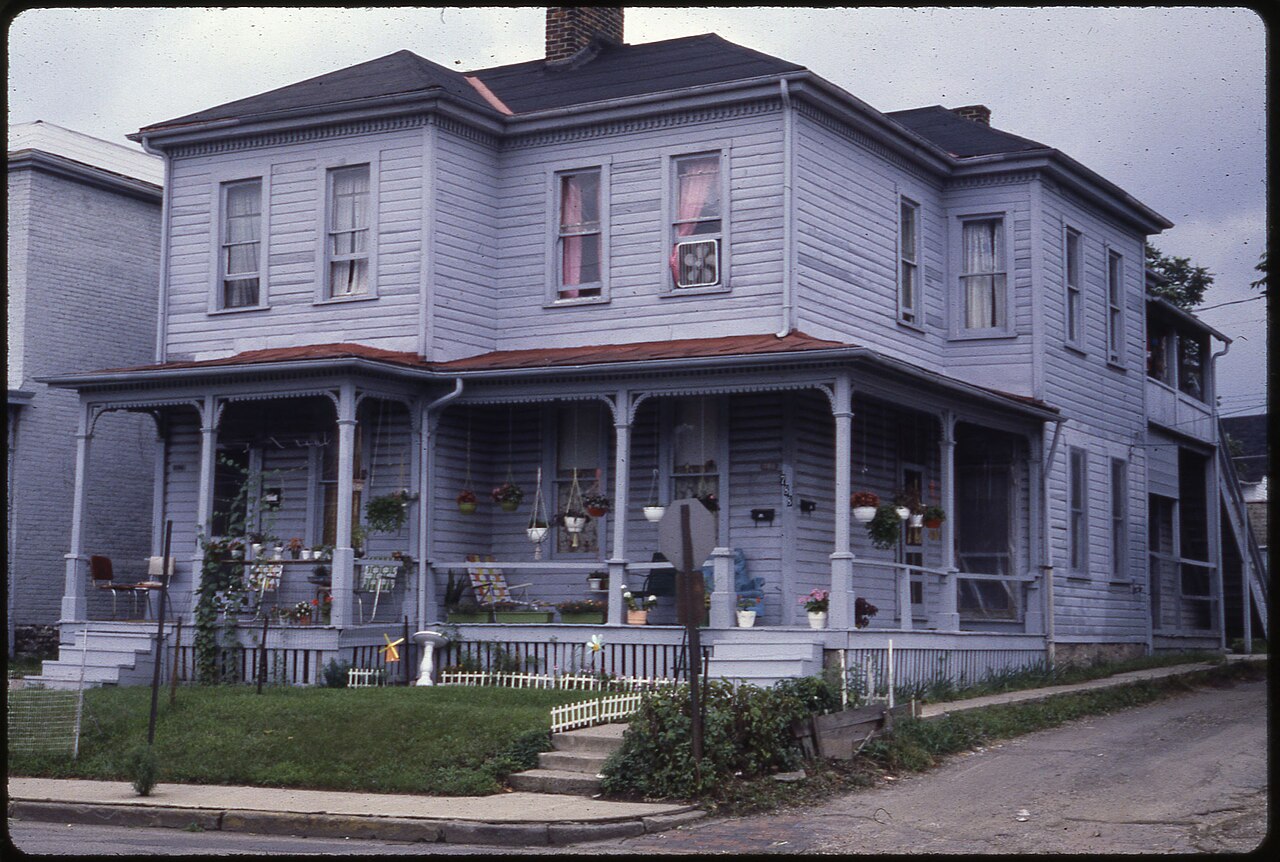
With income-producing properties, the price only makes sense against the income. We start with the rent roll, the leases and at least a year or two of actual operating expenses — not the projections in the marketing package. Older buildings can carry deferred maintenance on roofs, plumbing, electrical panels and siding that eats into returns quickly. I also look at which utilities the owner pays, since water, sewer and garbage add up on a small building. If the numbers only work with big rent increases, that’s a red flag, especially in Oregon.
Oregon’s rent rules shape your returns
Oregon has statewide rent stabilization, so you can’t move rents to market overnight. Most units 15 years or older are capped at a set percentage each year, rent can only go up once in a 12-month period, and tenants need 90 days’ written notice. Inside Portland city limits, an increase of 10% or more also triggers relocation assistance, which the landlord pays if the tenant chooses to move. I’d budget for modest, steady rent growth rather than a quick jump.
Things to Consider
Do you want to be a landlord, or an owner? Self-managing four units is doable for a lot of people, but as the unit count grows, most owners hire a property manager. If you plan to, build the management fee into your numbers from day one so the deal still works.
Are you buying for cash flow or for upside? A fully renovated, fully occupied building is easier to own, but you’ll pay for that stability. A building with dated units can offer more upside as you renovate between tenants, but it takes more cash and more patience under Oregon’s rent rules.
Rent increase limits as of this writing
For 2027, Oregon’s maximum rent increase for most covered tenancies is 10%, up from 9.5% in 2026. The cap generally doesn’t apply to units whose first certificate of occupancy was issued less than 15 years before the increase notice. The state posts the next year’s number by September 30 on its rent stabilization page.
If you’re thinking about your first apartment building — or trading up from rental houses through a 1031 exchange — get in touch.