
A first retail lease is one of the biggest commitments a small business owner makes, and it’s usually signed before the doors ever open. Commercial leases aren’t like apartment leases — there are fewer standard protections, almost every term is negotiable, and the obligations often run five years or more. Most of the problems I see come from terms nobody looked at closely. Here’s what we focus on with first-time tenants.
Know what the rent really costs
The base rent in a listing is rarely the whole picture. In a triple net (NNN) lease, you also pay your share of property taxes, insurance and common area maintenance, often called CAM. Those charges can add a meaningful amount per square foot and can change from year to year. A gross or modified gross lease bundles some or all of those costs into the rent. Ask for the last couple of years of actual NNN charges so you can budget the real monthly number.
Negotiate more than the rent
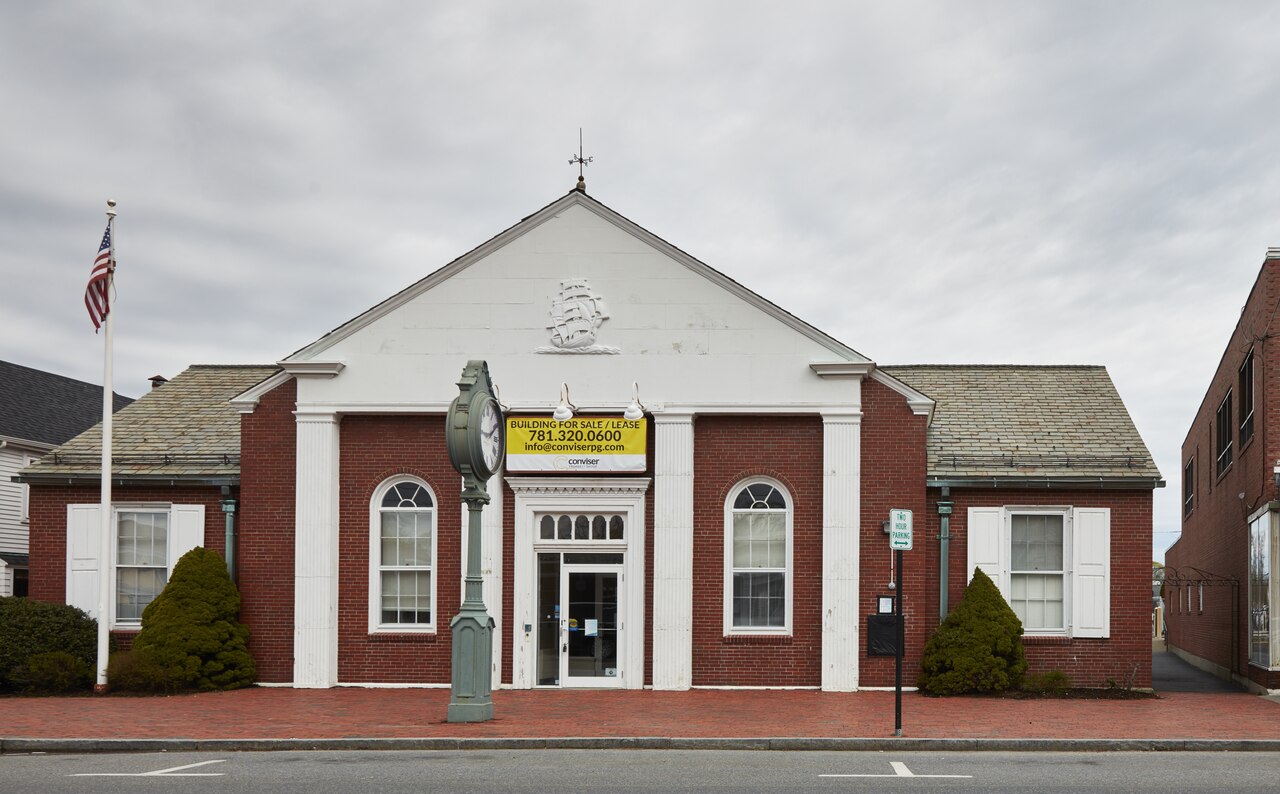
Landlords often have more flexibility on other terms than on the rent itself. A tenant improvement allowance (money the landlord puts toward building out your space), free rent during build-out and renewal options can be worth more than a small rent reduction. The use clause matters too, since it defines what you’re allowed to sell, and an exclusive clause can keep the landlord from leasing next door to a direct competitor. Most landlords will ask for a personal guarantee, and its scope is often negotiable.
Make sure the space works for your business
Before you sign, confirm the zoning allows your use and that the space can be permitted for what you need. Restaurants are the biggest example — a second-generation restaurant space, one that already has a hood, grease trap and the right plumbing, can save a lot of money and time. Check parking, signage rights, access hours and whether the electrical and HVAC can handle your equipment. If build-out is needed, plan realistically for permits and construction, because rent often starts on a fixed date whether you’re open or not. Our Restaurant Startup Guide goes into more detail for food businesses.
Things to Consider
How long do you really want to commit? A longer lease usually gets you better terms and more improvement money, but it also means a longer personal guarantee. A shorter initial term with renewal options gives you flexibility if the location doesn’t work, at the cost of some leverage up front.
Would you rather be the anchor’s neighbor or the destination? Being next to a busy grocery store or popular restaurant brings foot traffic, but those centers command higher rents. A quieter location can work well for businesses that customers seek out, and the savings can go into marketing.
If you’re starting the search for your first space, get in touch — we’ll help you compare spaces on their real total cost, not just the asking rent.